There’s a familiar temptation when planning a meeting: If you have eight hours, use all eight.
Another presentation? Add it. One more discussion topic? Squeeze it in. Before long, the agenda resembles an overpacked suitcase. Everything technically fits, but nobody wants to carry it.
Heather Roose sees that tension firsthand at Wingspread, where groups gather to tackle complex issues, build relationships and move important work forward. Her advice challenges a basic assumption about productivity: More activity doesn’t necessarily produce more value.
“I believe what gets in the way of a great meeting is trying to do too much,” Heather says. “When you tend to fill every space, every minute of the agenda with something, people don’t have time to process.”
The alternative isn’t an agenda with less purpose. It’s an agenda with more intention.
How to Plan a Productive Meeting
Why a Packed Agenda Can Make Meetings Less Productive
Packed agendas look productive on paper. Sessions are lined up, breaks are trimmed and every available block has a purpose.
The problem? Humans aren’t calendars.
People need time to absorb information, question assumptions and connect new ideas to what they already know. Without that space, participants can spend an entire day receiving information without doing much with it.
“They don’t have a minute to think about the things they’re learning and the subjects they’re taking in,” Heather says.
Some of the most useful connections also happen between sessions. Someone mentions a challenge over coffee. A colleague shares an experience during a walk. An informal conversation reframes the next discussion.
“It helps for people to have time to bounce ideas off of others during a break or a walk,” Heather says. “I think having a packed agenda doesn’t always equal a more productive meeting.”
That “empty” time may be where the meeting starts doing its real work.
How to Plan a Productive Meeting: Start With the Outcome
One reason meetings become overloaded is that planning begins with the wrong question: What should we put on the agenda?
Heather suggests starting with the end instead.
“I think planners should think about, what’s your outcome? What do you wanna achieve with getting this group together?” she says. “Start from the back and build forward because you wanna focus on what are they gonna leave with.”
That shift changes meeting design.
If the objective is alignment, participants may need facilitated discussion more than another presentation. If it’s generating ideas, small-group conversations and reflection may matter more than a packed speaker roster. If it’s making a decision, participants could receive background information beforehand so face-to-face time can focus on discussion and trade-offs.
An outcome-first approach creates a useful filter: If an agenda item doesn’t help the group reach the desired outcome, why is it there?
“You’ll build time around your goal and objective,” Heather says, “and that way it’ll leave some white space for folks to have conversation, reflection, and a little bit of maybe better questions asked during the meeting.”
Better questions can be more valuable than more content.
Build White Space Into Your Meeting Agenda
Meeting planners think carefully about content. The overlooked variable is often cognitive capacity.
After hours of listening, talking and making decisions, attention fades. Intentional white space helps reset it.
That might mean a longer break after a demanding session, 15 minutes of individual reflection before a discussion or simply ending early enough for people to continue a conversation rather than rushing to the next room.
White space can also improve participation. Rapid-fire meetings tend to favor people who think quickly and speak readily. Reflection gives others time to organize their thoughts and return to the conversation with ideas that might otherwise remain unspoken.
The result isn’t simply a more relaxed meeting. It can be a smarter one.
Create an Environment for More Productive Conversations
Better meetings aren’t only about what happens on the agenda.
“Better meeting outcomes happen when people have thoughts beyond the meeting room,” Heather says.
Sometimes that means literally getting beyond it.
“Maybe do breakouts, maybe get people outside, do a walking meeting,” she says. “Make sure you have team building.”
Changing the environment can reset attention and alter group dynamics. A breakout gives quieter participants more room to contribute. A walk can make a conversation less formal. Even a simple mixer can lower barriers between people who need to work together.
“People need to be comfortable around each other,” Heather says.
That comfort matters when the work requires disagreement, vulnerability or creative risk. People are more likely to question assumptions or float unfinished ideas when they’ve established trust with the people around them.
Make Time for Connection Beyond the Meeting Agenda
One Wingspread tradition shows how meeting design can extend beyond formal sessions.
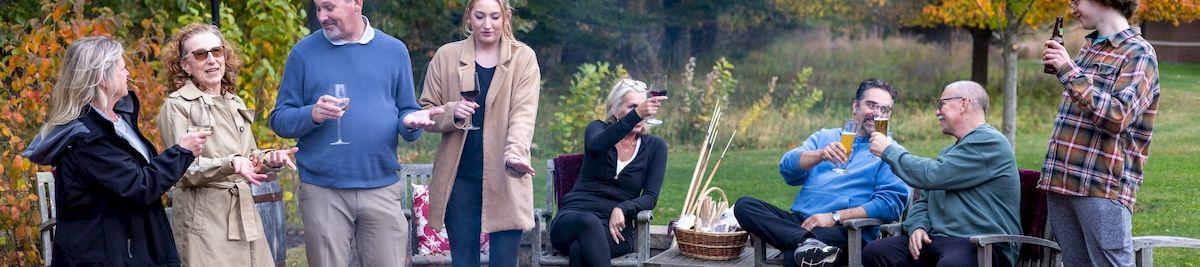
Evening hospitality is built into agendas so that after dinner, guests can return to the living room, gather around a fire pit or simply keep talking.
“One guest mentioned to me personally, she’s like, ‘I just think the evening hospitality idea is wonderful,’” Heather recalls. “She was connecting with people, found things in common with people she didn’t think she would have.”
Those connections can change what happens when everyone returns to the meeting table.
“It’s a way to decompress together,” Heather says, “and it’s a way to create deeper bonds with the people that you’re spending a couple days with.”
It raises an important question for planners: Are you designing only the sessions, or are you designing the experience between them, too?
The shared meal, hallway conversation, evening gathering or walk across the grounds isn’t necessarily a distraction from the meeting. It can be part of what makes the meeting work.
Design Your Meeting Around Outcomes, Not the Clock
Productive gatherings need content, but they also need the right conditions. People need opportunities to process, talk, move, question and build enough trust to have conversations worth traveling for.
That thinking helped inspire Wingspread’s breakthrough meeting guide, which Heather says offers “different ways of building around that agenda to help make the meetings more productive.”
For planners, the shift is simple:
Don’t ask how much you can fit into the time available. Ask what needs to happen during that time for people to leave differently than they arrived.
Because breakthroughs don’t always arrive during the session labeled “Breakthrough Discussion.” Sometimes they emerge on a walk, during a break or in the unscheduled conversation nobody knew they needed.
The best meetings don’t try to fill every minute.
They make room for something to happen.
Plan Your Next Meeting for Better Outcomes
Wingspread’s Breakthrough Meeting Guide offers practical ideas for structuring different types of meetings and creating the space, connection and experiences that can lead to better outcomes.